
A name worth
carrying.
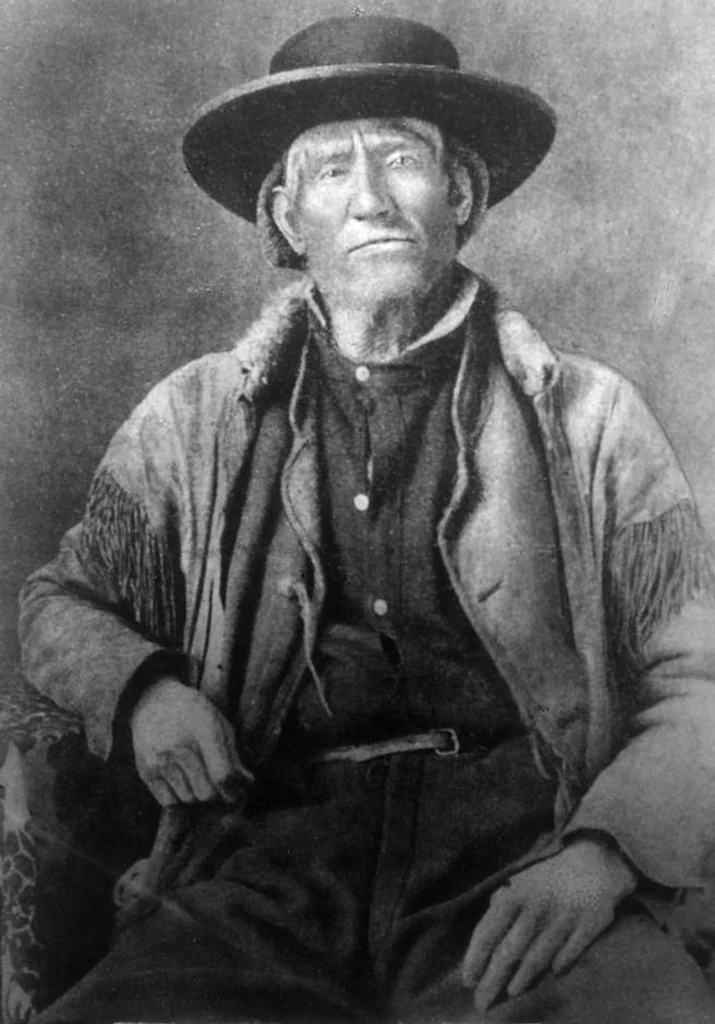
The man behind the name
From the forge.
Into the mountains.
A blacksmith’s apprentice. A mountain man. A guide whose knowledge of the country became his livelihood.
In 1822, Jim Bridger left St. Louis with a fur-trading expedition. The work took him into the Rocky Mountain country and into a life spent traveling, trading and guiding others through it.
In 1843, he and Louis Vasquez established Fort Bridger. It became a place for travelers to resupply on the long journey west. Later, Bridger guided surveying expeditions through the Yellowstone and Missouri River regions.
There was also the storyteller: the same man who knew the terrain could spin a spectacular tall tale. The history is worth knowing. So is the human being behind the legend.
The name is inherited.
The reputation
is built.
Jim Bridger was my great-great-grandfather. For me, this name is family.
Putting the family name on this company makes it personal. Our work has to earn its own reputation.
Home is measured in years, not months.
The work should live up to that.
A few points along the way
A life on the ground.
- 1822
West from St. Louis
Bridger joins William Ashley’s fur-trading expedition.
- 1843
A place to provision
With Louis Vasquez, he establishes Fort Bridger, a trading post that becomes an important resupply stop.
- 1859–60
Guiding the survey
He guides Captain William Raynolds’s expedition through the Yellowstone and Missouri River country.
- Today
A different kind of work
BRIDGER carries the family name into homes and development. Our chapter is being built now.
Historical sources & portrait credit
Undated portrait reproduced in Gaston’s Portland, Oregon: Its History and Builders (1911). Public domain, via the U.S. Geological Survey.